
Hello PPUK,
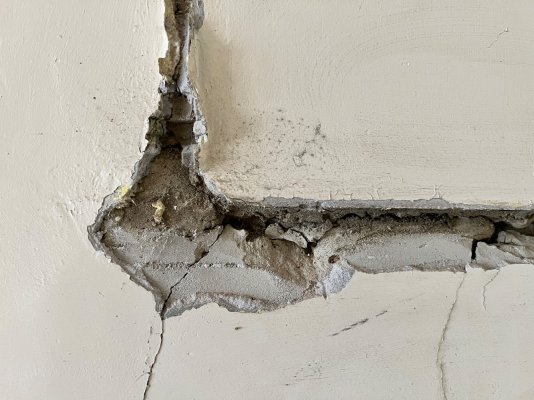
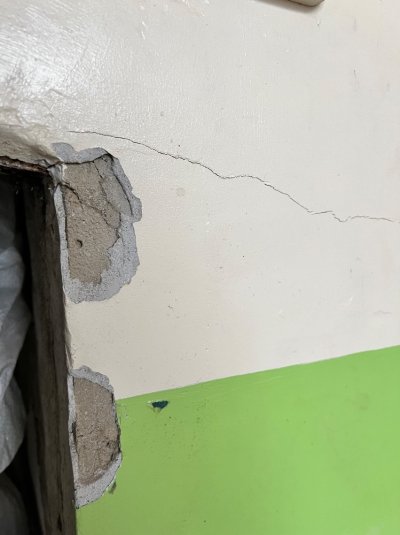
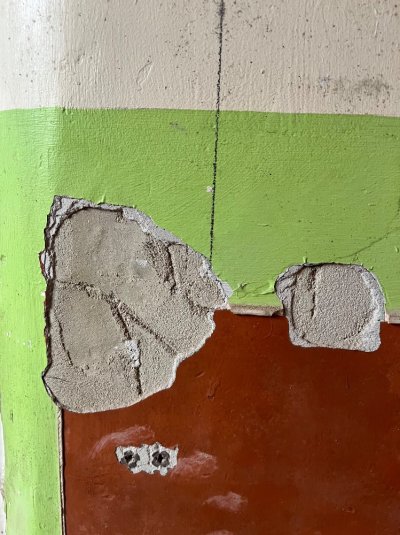
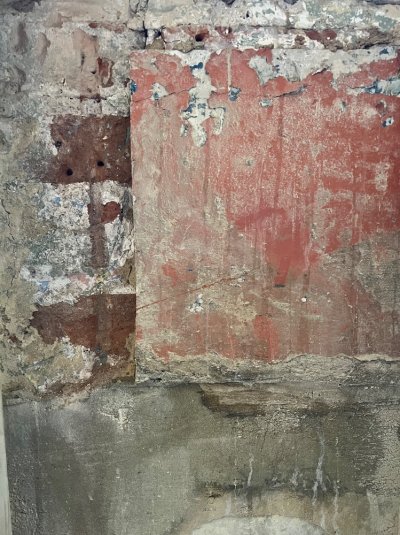
We have a room that will eventually be a kitchen that has been plastered in a very thick coat of cement plaster. It could be from as early as the 1930s/40s judging from the remedial Belfast sink that was installed on top of the render. It could be newer - maybe 1960s - but it really is impossible to be certain.
The render is very hard, very thick and cracked in places so the whole room would benefit with it being removed and replaced with a softer lime plaster. This is definitely the plan for the external wall at a minimum and once I get started I'm hoping that it will just come away in large(ish) pieces.
However, I am hesitating about getting the hammer and bolster out though because of the potential risk of asbestos being in the plaster. Does anyone have any experience of finding nefarious fibres lurking in old cement plaster/render? Or am I just being overly cautious/paranoid?
We have a room that will eventually be a kitchen that has been plastered in a very thick coat of cement plaster. It could be from as early as the 1930s/40s judging from the remedial Belfast sink that was installed on top of the render. It could be newer - maybe 1960s - but it really is impossible to be certain.
The render is very hard, very thick and cracked in places so the whole room would benefit with it being removed and replaced with a softer lime plaster. This is definitely the plan for the external wall at a minimum and once I get started I'm hoping that it will just come away in large(ish) pieces.
However, I am hesitating about getting the hammer and bolster out though because of the potential risk of asbestos being in the plaster. Does anyone have any experience of finding nefarious fibres lurking in old cement plaster/render? Or am I just being overly cautious/paranoid?