
1700sRestorationNorfolk
Member
- Messages
- 1
- Location
- Norfolk
Hi all — looking for some advice from people familiar with older UK properties, as I’ve uncovered something a bit unexpected.
I live in a house where the original section dates to around 1740, with Victorian extensions added later. In one of the older ground floor rooms, we’ve dug down under the floorboards as the original subfloor void seemed to have been filled in at some point, blocking the air vents.
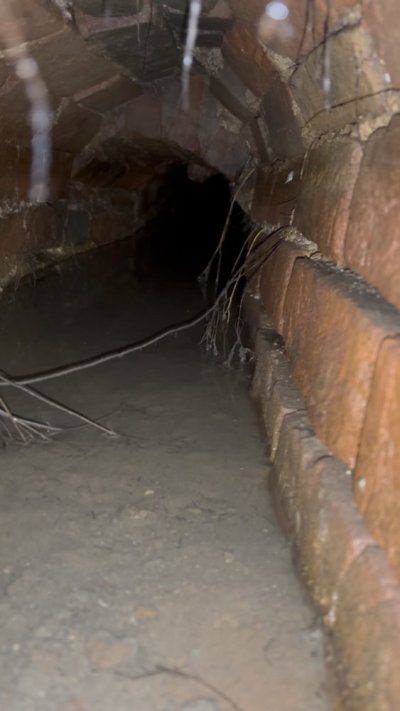
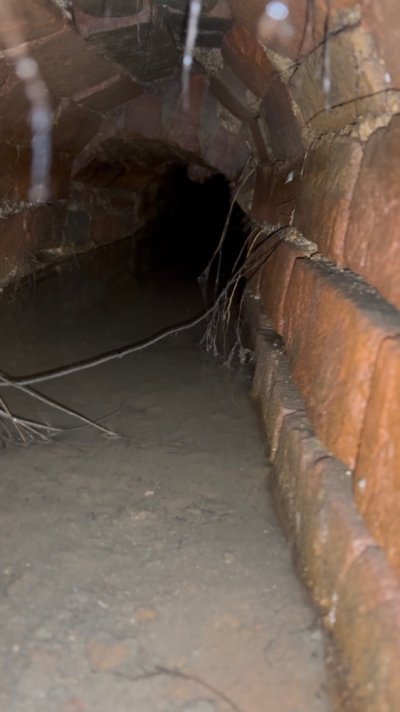
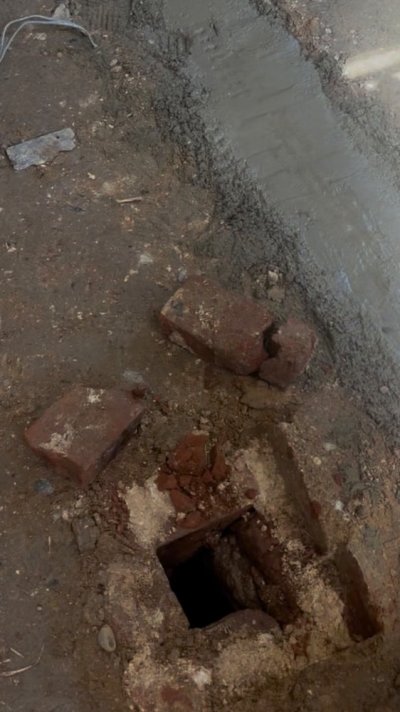
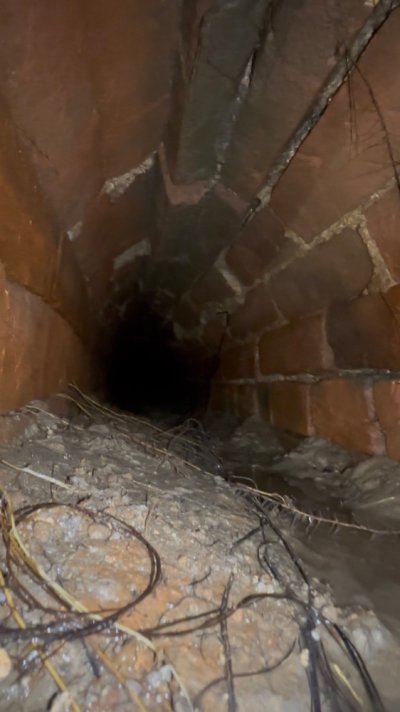
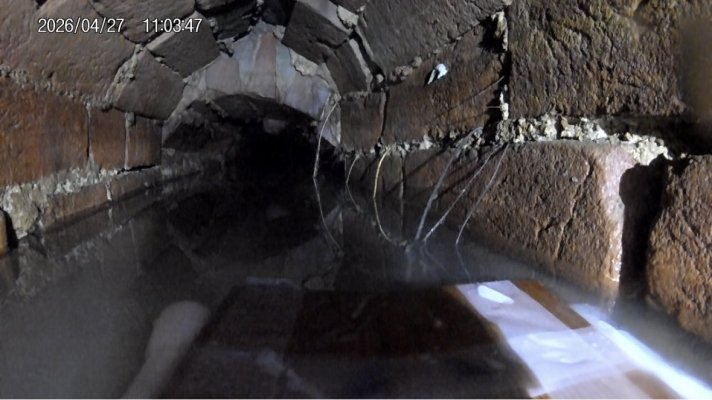
We’ve had ongoing damp issues in this room, and while digging, we discovered what appears to be a channel/culvert running underneath. It had a significant amount of standing water in it, which I’ve since drained, but has slowly filled up again over the past 4- 5 days
A few key points:
- The culvert/channel sits under the oldest part of the house (c.1740) (in the family room on the floorplan)
- There was a considerable volume of water present before draining
- The room above has had persistent damp problems
- Historically, the air bricks were below ground level, which caused water to build up under the floor (this has been addressed more recently)
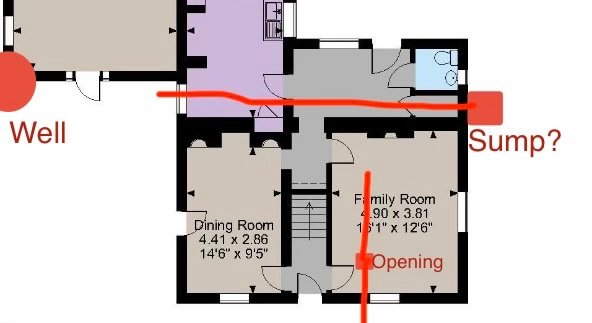
- We also have a well in the garden (around 20-30ft from the opening, however the direction of the tunnel doesn’t go towards the well)
- We also have what we think is a sump (?) outside along the outer wall of the house, with a pipe going into it. We had previous standing water in the room next door (dining room in floorplan) when we drained the sump this drained this room.
What I’m trying to understand:
- Does this look like an old culvert, drain, or something else entirely?
- Would something like this typically have been intentional (e.g. managing a watercourse) or is it more likely a later addition?
- Could this be the root cause of the damp, or just a contributing factor?
- Who is the right kind of specialist to assess this properly — drainage engineer, structural engineer, or someone else?
- Is there anything I should avoid doing at this stage that could make things worse (especially with an older property like this)?
I’ve attached photos as well as a floorplan with approximate locations of each of the mentioned features in red (underground tunnel/pipes are in red). I’m happy to provide more detail if helpful.
Appreciate any insights — especially from anyone who’s dealt with similar in period properties.
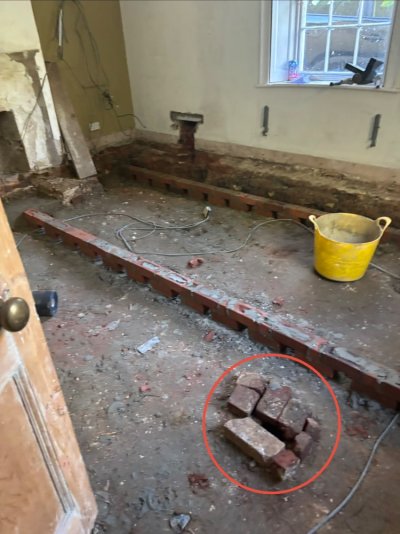
I live in a house where the original section dates to around 1740, with Victorian extensions added later. In one of the older ground floor rooms, we’ve dug down under the floorboards as the original subfloor void seemed to have been filled in at some point, blocking the air vents.
We’ve had ongoing damp issues in this room, and while digging, we discovered what appears to be a channel/culvert running underneath. It had a significant amount of standing water in it, which I’ve since drained, but has slowly filled up again over the past 4- 5 days
A few key points:
- The culvert/channel sits under the oldest part of the house (c.1740) (in the family room on the floorplan)
- There was a considerable volume of water present before draining
- The room above has had persistent damp problems
- Historically, the air bricks were below ground level, which caused water to build up under the floor (this has been addressed more recently)
- We also have a well in the garden (around 20-30ft from the opening, however the direction of the tunnel doesn’t go towards the well)
- We also have what we think is a sump (?) outside along the outer wall of the house, with a pipe going into it. We had previous standing water in the room next door (dining room in floorplan) when we drained the sump this drained this room.
What I’m trying to understand:
- Does this look like an old culvert, drain, or something else entirely?
- Would something like this typically have been intentional (e.g. managing a watercourse) or is it more likely a later addition?
- Could this be the root cause of the damp, or just a contributing factor?
- Who is the right kind of specialist to assess this properly — drainage engineer, structural engineer, or someone else?
- Is there anything I should avoid doing at this stage that could make things worse (especially with an older property like this)?
I’ve attached photos as well as a floorplan with approximate locations of each of the mentioned features in red (underground tunnel/pipes are in red). I’m happy to provide more detail if helpful.
Appreciate any insights — especially from anyone who’s dealt with similar in period properties.